

This is a very variable species into which have been lumped several other species by different authors and the picture
Aylostera spegazziniana (Backeb.) Backeb.

This is a very variable species into which have been lumped several other species by different authors and the picture
Regarded by some as a form of Aylostera deminuta. A relatively recent discovery, described in 1984. This small-bodied rather bristly
Regarded by some as a form of Aylostera albopectinata or A. heliosa, and can be difficult to tell apart from
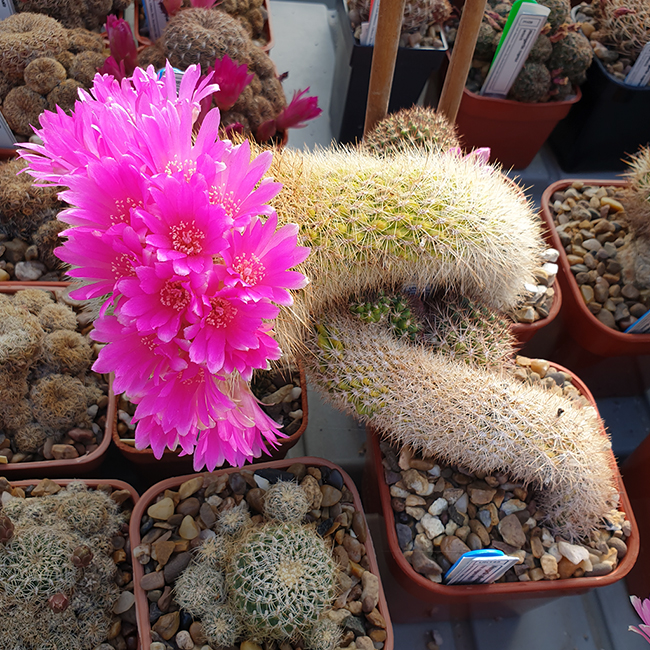
The magenta-pink form, found by Walter Krahn at Chaguarani, Cochabamba, Bolivia, at an altitude of 2450m. These two plants show
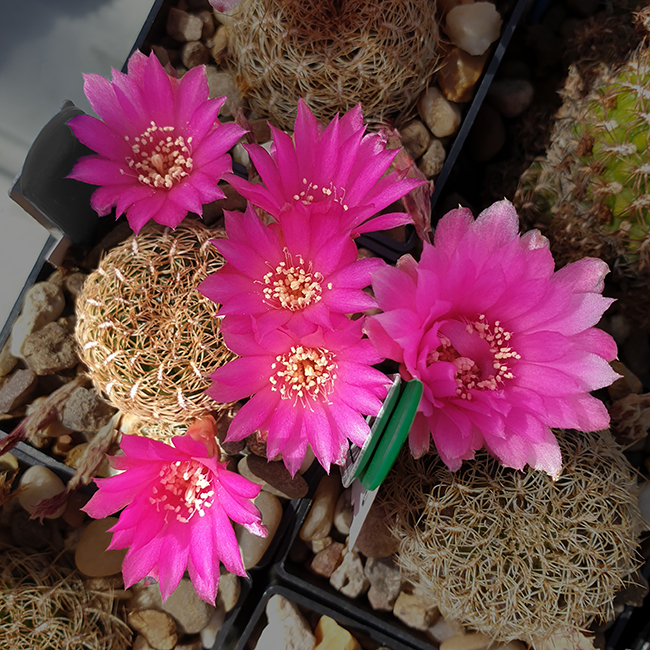
Deep pink-flowered form found by Johan de Vries and Elisabeth van Zomeren, south of Padilla, Bolivia.
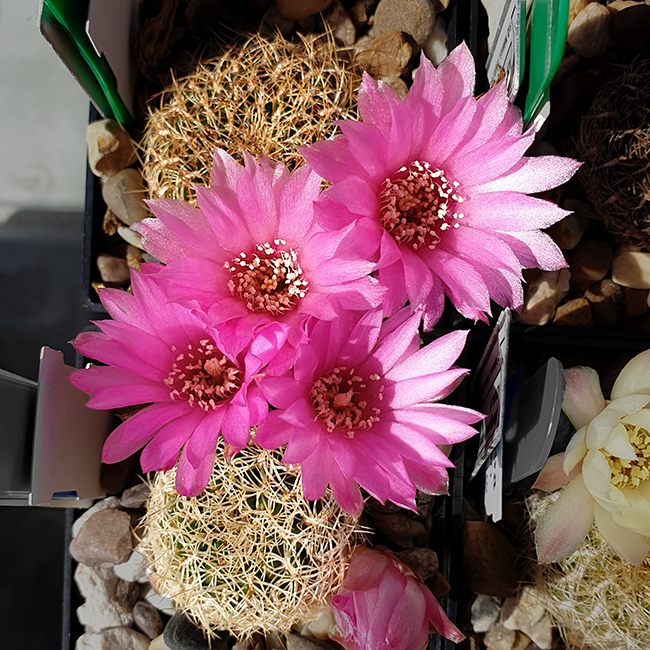
A pink-flowered form found by Johan de Vries and Elisabeth van Zomeren south of Padilla, Bolivia, at an altitude of
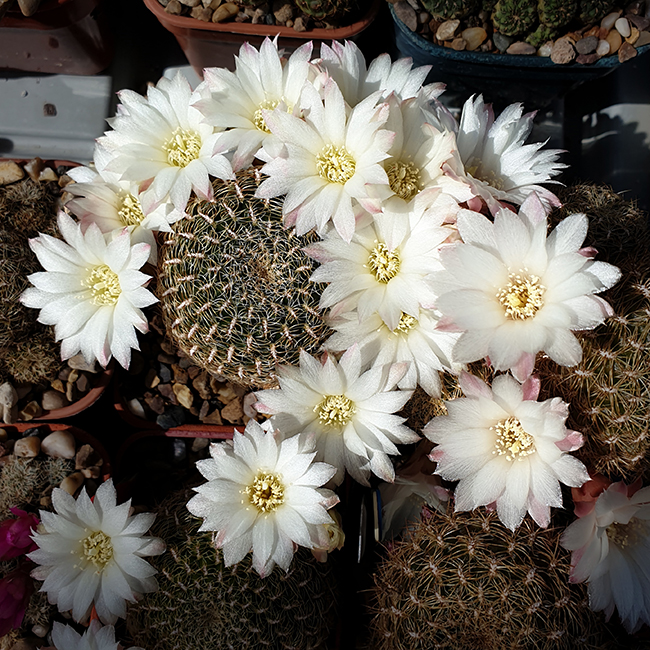
Found by Pavel Heřtus, 19.7km north-west of Camino Monteagudo on Route 6, Sucre, Bolivia.
Weingartia (Sulcorebutia) roberto-vasquezii was first described by L. Diers and W. Krahn, in Kakteen und andere Sukkulenten, 9, 211-217, in
Regarded by some as a form of Aylostera spegazziniana or Aylostera tuberosa. The name means “rusty”, which refers to the
Regarded by some as a form of Aylostera deminuta or Aylostera pseudodeminuta. As the name implies, the spines on this
This is a very distinctive plant once it gets past a few years old. The name means “cushioned” and it
Regarded by some as yet another form of Aylostera fiebrigii or Aylostera pulvinosa. The name means “pretty”. Stems are small